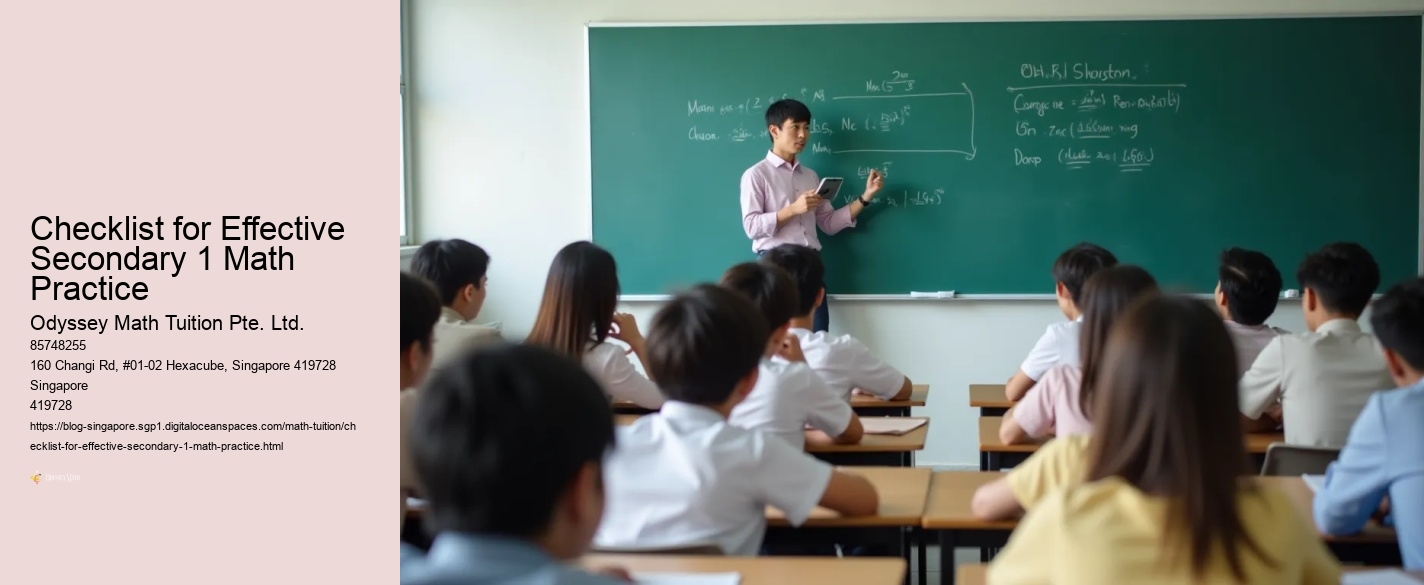
Imagine stepping into a bustling Singaporean neighborhood, where parents, children, and educators weave a vibrant tapestry of learning that extends beyond the walls of traditional schooling. Here, tuition is not just an educational supplement; it is a cultural cornerstone. In Singapore's fiercely competitive academic landscape, tuition has become an integral part of a student's journey, much like a compass guiding a ship through turbulent seas.
In Singapore, tuition is akin to a rite of passage. The education system is highly competitive, with national examinations such as the PSLE, O-Levels, and A-Levels acting as pivotal milestones. These exams are not just assessments of academic prowess but gatekeepers to future opportunities. Consequently, parents invest heavily in tuition, with over $1.8 billion spent in 2023 alone, to ensure their children have the best possible chance of success. This investment underscores the cultural importance of education in Singapore, where academic achievement is often equated with personal success.
Tuition in Singapore has evolved significantly over the years. Initially, it was a means for students to catch up on missed lessons or receive help in challenging subjects. However, as the education system grew more rigorous, tuition transformed into a strategic tool for academic excellence. Today, it is a thriving industry offering personalized and group-based instruction in core subjects such as mathematics, science, and languages, both in physical tuition centers and online platforms.
What makes tuition so effective in Singapore? One might liken it to a finely-tuned orchestra, where every element plays a crucial role in creating a harmonious learning experience. Tuition classes are structured to align closely with school curricula, providing focused, curriculum-aligned teaching. This structure allows students to practice problem-solving, review past exam papers, and build confidence through interactive support. Moreover, tuition often addresses individual learning gaps, offering tailored instruction that caters to each student's unique needs.
Despite its benefits, the tuition industry faces several challenges. One significant concern is the pressure it places on students. The intense focus on academic success can lead to stress and burnout. However, the industry is continually innovating to address these issues. For instance, some tuition centers have begun incorporating mindfulness and stress-management techniques into their sessions. Others are leveraging technology to offer more engaging and interactive learning experiences, using tools like virtual reality to bring subjects to life.
As we look to the future, one cannot help but wonder: How will the role of tuition in Singapore's education system evolve? With advancements in technology and pedagogy, the possibilities are endless. Imagine a world where every student has access to AI-driven personalized learning plans or where virtual classrooms transcend geographical boundaries. The potential for tuition to adapt and innovate is immense, promising an exciting future for education in Singapore.
Tuition in Singapore is more than just an educational service; it is a cultural phenomenon deeply embedded in the nation's pursuit of academic excellence. As both a guiding compass and a supportive community, it continues to shape the educational journeys of countless students, preparing them not just for exams but for life beyond the classroom. So, as you sip your coffee and ponder the intricacies of education, consider this: What if the future of learning lies not in traditional classrooms, but in the dynamic and ever-evolving world of tuition?
Imagine a bustling tuition center in the heart of Singapore, where the air hums with anticipation and the scent of freshly sharpened pencils mixes with the faint aroma of whiteboard markers. Here, students of all ages gather after school, united by a common goal: to excel in their academic pursuits. In the context of Singapore's highly competitive education system, "tuition" is not just an option; it's a cultural cornerstone.
In Singapore, tuition is more than just extra classes. It's an integral part of the education landscape, a beacon of hope for parents and students aiming for academic excellence. Families invest over $1.8 billion annually in tuition, a testament to its perceived value in reinforcing school curricula and preparing students for pivotal exams like the PSLE, O-Levels, and A-Levels. But why has tuition become such a staple?
Picture a family gathering where stories of academic triumphs are exchanged like precious heirlooms. In these tales, tuition often emerges as the unsung hero, the secret weapon that helped a child leap from a B to an A. It's about giving students the tools they need to navigate the rigorous demands of the education system successfully.
Effective tuition begins with a roadmap—a clear set of learning objectives tailored to each student's needs. But how do you chart this course? Start by identifying the gaps in a student's understanding. Is it the perplexing world of algebra, the intricate dance of chemical equations, or the poetic nuances of language arts?
As the tuition session unfolds, tutors become both guides and companions on the educational journey, adapting their teaching strategies to suit the pace and style of each student. It's a dynamic process, akin to a skilled chef adjusting a recipe to suit the tastes of their diners.
In a world where one-size-fits-all solutions rarely suffice, personalized tuition emerges as a game-changer. Imagine a student struggling with calculus, feeling lost in a sea of numbers and formulas. A tutor steps in, transforming abstract concepts into relatable stories. Suddenly, calculus is no longer a monster to be feared but a puzzle to be solved.
Personalized instruction is about more than just addressing academic gaps. It's about building confidence and fostering a love for learning. Tutors employ various techniques, from interactive problem-solving sessions to reviewing past exam papers, ensuring that each student receives the support they need to thrive.
In recent years, technology has revolutionized the tuition landscape. Picture a virtual classroom where students from different corners of Singapore gather, their faces illuminated by the glow of their screens. Online platforms offer flexibility and accessibility, breaking down geographical barriers and bringing quality education to students' homes.
With digital resources at their fingertips, tutors can incorporate multimedia elements into their lessons, making complex topics more engaging and easier to understand. It's like adding vibrant colors to a black-and-white sketch, bringing learning to life in ways previously unimaginable.

As we look to the future, the role of tuition in Singapore's education system continues to evolve. What if tuition centers became hubs of innovation, where students not only learn but also experiment and create? What if tuition sessions incorporated real-world problem-solving, preparing students for the challenges of tomorrow?
The possibilities are endless, and the journey is just beginning. As educators and learners alike embrace change and innovation, the landscape of tuition in Singapore promises to be as dynamic and vibrant as the city itself.
So, as you sip your coffee and ponder the next steps in your educational journey, remember that tuition is more than just a means to an end. It's a pathway to unlocking potential, a bridge to academic success, and a testament to the enduring power of learning.
Ensuring curriculum relevance in tuition sessions is crucial for maximizing student success. By aligning lesson plans with the school syllabus, tutors can reinforce classroom learning effectively. This alignment helps students see the connection between what they learn in school and during tuition, making it easier to grasp complex concepts. Additionally, when tuition content mirrors school curricula, it supports students in preparing for important exams like the PSLE, O-Levels, or A-Levels. Such strategic alignment not only enhances understanding but also boosts students' confidence in their academic abilities.
Content customization is a significant aspect of effective tuition planning. Every student has unique learning needs, and tailoring the material to address these needs can greatly enhance the learning experience. Customization involves adapting teaching methods and materials to suit different learning styles, whether visual, auditory, or kinesthetic. This personalized approach enables tutors to tackle individual learning gaps, making the sessions more engaging and productive. Moreover, by focusing on areas where students struggle, tutors can provide targeted support that fosters academic growth.
A robust feedback mechanism is essential for continuous improvement in tuition sessions. Regular feedback from students allows tutors to assess the effectiveness of their teaching strategies. It provides insights into students' understanding and areas that require further attention. Constructive feedback helps tutors adjust their approach, ensuring that the sessions remain relevant and beneficial. Furthermore, encouraging students to express their thoughts creates an open learning environment where they feel comfortable seeking help, thereby enhancing the overall educational experience.
Integrating diverse resources into tuition sessions can significantly enrich the learning process. Utilizing a variety of materials, such as textbooks, online resources, and interactive tools, caters to different learning preferences and keeps students engaged. Resource integration also means staying updated with the latest educational trends and technologies that can aid learning. By incorporating these resources, tutors can provide comprehensive support that goes beyond rote learning, encouraging critical thinking and problem-solving skills. This approach not only aids in understanding but also prepares students for real-world applications of their knowledge.
Progress tracking is a vital component of effective tuition planning. It involves regularly assessing students' academic performance and understanding of the material. By keeping track of progress, tutors can identify patterns, strengths, and weaknesses, allowing for timely intervention when necessary. Progress tracking helps in setting realistic goals and motivates students by highlighting their improvements over time. Additionally, it provides valuable data that can be shared with parents, ensuring transparency and enabling them to support their child's learning journey actively.
Tuition in Singapore is deeply ingrained in the culture, reflecting the high value placed on education. Many parents view it as essential for their children's academic success and future opportunities. This cultural emphasis on supplementary education has led to a thriving tuition industry, catering to diverse learning needs.
Engaging learning materials are vital for maintaining student interest and facilitating understanding. Tutors should incorporate a variety of resources, such as visual aids, interactive exercises, and real-world examples, to cater to different learning styles. This approach helps make complex concepts more accessible and enjoyable.
Planning a tuition session involves outlining clear objectives and preparing materials that align with the student's learning goals. It is essential to create a flexible schedule that accommodates the student's pace while ensuring all topics are covered. Regular feedback and assessment help track progress and identify areas for improvement.
Establishing specific, measurable learning objectives is crucial for effective tuition sessions. These objectives guide the session structure and ensure that both the tutor and student remain focused on achieving desired outcomes. Clear goals also provide a benchmark for evaluating the student's progress.
Providing regular feedback is essential for student growth and motivation. Constructive assessment helps identify strengths and areas needing improvement, allowing for targeted support and adjustments in teaching strategies. Continuous feedback fosters a supportive learning environment and encourages student self-reflection.
Imagine a bustling Saturday morning in Singapore, where the city’s streets are alive with the chatter of students on their way to tuition classes. This scene highlights the cultural significance of tuition in Singapore, a key component of the educational journey for many families. With a significant investment of over $1.8 billion in 2023 alone, parents and students are committed to enhancing academic performance in a highly competitive environment. But how does one choose the right format for these supplementary lessons?
For some, the appeal of individual tutoring lies in its personalized approach. Picture a student and tutor huddled over a table, the tutor’s guidance as tailored as a bespoke suit. This one-on-one format allows for a curriculum that adapts to the student’s pace, focusing on specific learning gaps. The tutor becomes not just an educator, but a mentor, understanding the nuances of the student's learning style. However, this format can be more costly, akin to purchasing a custom piece of art.
In contrast, group sessions offer a different rhythm, much like a jazz ensemble where each player contributes to the melody. These sessions, often held at tuition centers, provide a classroom-like environment where students can engage in peer learning. The interaction and competition among peers can stimulate motivation and foster a sense of camaraderie. Moreover, group sessions are typically more affordable, allowing access to high-quality instruction without the heftier price tag of individual tutoring.
The digital age has ushered in the era of online classes, where learning transcends physical boundaries. Imagine a virtual classroom where students from different neighborhoods, or even countries, come together to learn from a single tutor. Online tuition offers flexibility and convenience, allowing students to learn from the comfort of their own homes. With the integration of technology, these sessions can be interactive and engaging, utilizing multimedia tools to enhance understanding.
Tuition in Singapore is more than just an educational supplement; it's a cultural phenomenon deeply embedded in the societal fabric. The emphasis on academic excellence is reflected in the national psyche, with tuition serving as a bridge to academic success. Parents see it as an investment in their child's future, a necessary step to excel in national examinations like the PSLE, O-Levels, or A-Levels. This cultural commitment to education is a testament to the value placed on knowledge and achievement in Singapore.
Choosing the right tuition format is akin to crafting a symphony—each note must be carefully selected to create harmony. Consider the student's learning style, the subjects in question, and the family's budget. Each format offers unique benefits, and the right choice can make all the difference in a student's educational journey. As Singapore continues to evolve, so too will its approaches to tuition, adapting to new challenges and opportunities in the realm of education.
In this vibrant landscape of learning, the future beckons with possibilities. What if technology could further personalize tuition, or if global collaborations could bring diverse perspectives into the virtual classroom? The journey of tuition in Singapore is one of perpetual innovation and dedication, a narrative of striving for excellence that continues to unfold with each passing year.
Imagine stepping into a modern-day classroom, where the hum of digital devices blends with the scribbling of pencils, and the air is filled with anticipation. In Singapore's bustling tuition landscape, this scene is a daily reality. As parents and students navigate the challenging waters of national examinations, preparing for effective tuition sessions becomes a crucial lifeline. With over $1.8 billion invested in supplementary education in 2023 alone, ensuring that each session is impactful is not just a goal—it's a necessity.
In Singapore, tuition is more than just an educational boost; it's a cultural cornerstone. Families view it as an essential investment in their children's future, often prioritizing it over other expenses. This commitment is rooted in the belief that additional academic support will open doors to prestigious schools and successful careers. It's not uncommon to hear stories of dedicated tutors who become mentors, guiding students through the complexities of subjects like mathematics, science, and languages.
Effective tuition sessions are akin to a well-rehearsed symphony, requiring precise coordination of various elements. At the heart of this preparation lies the gathering of necessary materials and tools.
As technology continues to evolve, its integration into tuition sessions offers exciting possibilities. Virtual reality, for instance, can transform abstract concepts into immersive experiences, making learning both fun and effective. Similarly, AI-driven platforms can adapt to individual learning paces, ensuring personalized attention and support. These innovations are not just enhancements; they are game-changers in how tuition is delivered.
Despite its benefits, the tuition industry faces challenges. The pressure to perform and meet high expectations can be overwhelming for students. However, with a focus on holistic development and emotional well-being, tuition can become a supportive environment that nurtures confidence and resilience. Tutors play a crucial role here, acting as both educators and cheerleaders, celebrating each milestone with their students.

As we look to the future, one can't help but wonder: What if tuition evolved beyond academic support to include skills like critical thinking, creativity, and collaboration? These competencies are increasingly valued in the global workforce, and integrating them into tuition could redefine its role in education. The journey towards this future is an exciting one, filled with potential for innovation and growth.
In the end, preparing for an effective tuition session is much like crafting a masterpiece—each brushstroke, each note, perfectly placed to create a harmonious whole. It's about more than just academic success; it's about equipping students with the tools and confidence to thrive in a rapidly changing world. As Singapore's education landscape continues to evolve, so too will the art of tuition, shaping generations of learners ready to take on whatever challenges come their way.
Imagine a bustling tuition center in Singapore, where the air is filled with the soft rustle of textbook pages and the quiet hum of students deeply engaged in their studies. Here, amidst the rows of desks and the gentle glow of overhead lights, the art of effective tuition session planning unfolds—a dance of precision and creativity aimed at unlocking each student's potential.
In Singapore's education landscape, where tuition is a cultural cornerstone, balancing academic rigor with student well-being requires a deft touch. Parents often wonder: How can we optimize session timings to maximize learning without overwhelming our children? The answer lies in strategic planning.
Consider the analogy of a well-tuned orchestra. Just as each instrument contributes to a harmonious symphony, each tuition session must be timed to complement the student's school schedule. This involves understanding peak learning hours—those magical windows when students are most alert and receptive. Research suggests that late morning and early afternoon are optimal for cognitive tasks, while evenings might be better suited for revision and reflection.
Tuition in Singapore is more than just an academic booster; it's a cultural phenomenon. Families invest over $1.8 billion annually, underscoring its importance in the educational journey. But why is tuition so ingrained in Singaporean society?
Picture a bustling hawker center, where diverse flavors mingle, creating a tapestry of culinary delights. Similarly, tuition centers serve as melting pots of educational resources, where students from varied backgrounds converge to hone their skills. This collective pursuit of excellence is not merely about grades; it's about nurturing a resilient, lifelong learner.
So, how can educators and parents collaborate to design tuition schedules that enhance learning outcomes? Here are some key strategies:
The digital revolution has transformed tuition, introducing online platforms that offer unparalleled flexibility. Imagine a virtual classroom where students can attend sessions from the comfort of their homes, eliminating travel time and expanding access to top tutors regardless of geographical constraints.
These platforms also provide interactive tools, such as gamified learning and instant feedback, making tuition more engaging and effective. The digital realm is like a vast ocean, teeming with opportunities for exploration and growth, inviting students to dive in and discover new depths of knowledge.
As we look to the future, the question arises: How can we continue to innovate in tuition session planning? The answer may lie in harnessing data analytics to predict learning patterns and personalize education further.
Imagine a world where AI-driven insights guide tuition schedules, ensuring each student receives the right support at the right time. This futuristic vision is not just a flight of fancy; it's a tangible possibility that promises to elevate the educational experience for generations to come.
In the end, effective tuition session planning is about more than just managing time; it's about crafting an enriching journey that empowers students to achieve their fullest potential. So, whether you're a parent, educator, or student, embrace this journey with curiosity and creativity, and watch as the seeds of knowledge blossom into a vibrant tapestry of success.
Imagine walking into a vibrant classroom in Singapore, where the air is filled with the excitement of discovery and the hum of eager minds at work. This is not a typical school day; it's a tuition session, a cornerstone of Singapore's educational landscape. In a country where academic excellence is highly valued, tuition is more than just extra classes—it's a cultural phenomenon, a beacon of hope for countless students striving to excel in their national examinations like the PSLE, O-Levels, or A-Levels.
Tuition in Singapore is akin to a finely tuned orchestra, each session meticulously planned to address the unique needs of students. Families invest over $1.8 billion annually in this supplementary education, a testament to its perceived value. But why is tuition so deeply ingrained in Singaporean culture? It's a tale of ambition and determination, where parents and students alike believe that personalized instruction can unlock academic potential and pave the way for future success.
Planning a successful tuition session is like preparing a gourmet meal. It requires the right ingredients, precise timing, and a dash of creativity. Here's a checklist to ensure your sessions are as effective as they are engaging:
Picture a tuition session where students are not just passive recipients of information but active participants in their learning journey. Interactive teaching methods transform the traditional classroom into a lively arena of exploration and collaboration. By incorporating hands-on activities, educators can help students understand complex concepts and retain information more effectively.
For instance, using role-play to teach language skills or science experiments to illustrate theoretical concepts can make lessons more relatable and enjoyable. Such methods encourage critical thinking and problem-solving, skills that are invaluable in any academic pursuit.
While tuition offers myriad benefits, it also faces challenges. Balancing the rigorous demands of school and tuition can be overwhelming for students. Moreover, the pressure to achieve excellence can sometimes overshadow the joy of learning.
Innovation is key to overcoming these challenges. Educators are continuously exploring new ways to make tuition more engaging and less stressful. From incorporating mindfulness exercises to developing personalized learning plans, the focus is shifting towards creating a holistic educational experience that nurtures both the mind and the spirit.

As we look to the future, one might wonder: What if tuition could evolve to become even more personalized and flexible? The rise of artificial intelligence and data analytics holds promise for tailoring educational experiences to individual learning styles and paces.
Moreover, as the world becomes increasingly interconnected, there's potential for cross-cultural exchanges and collaborations that could enrich the tuition experience. Imagine students in Singapore learning alongside peers from different parts of the world, sharing insights and perspectives that transcend geographical boundaries.
In the end, the essence of tuition in Singapore lies in its ability to adapt and innovate, always striving to meet the evolving needs of students. It's a journey of growth and discovery, where every session is a step towards unlocking one's full potential.
Imagine a bustling city where the hum of progress is matched only by the whispers of young minds being nurtured. This is Singapore, where education is not just a priority but a cultural cornerstone. Here, tuition isn't merely a supplementary educational activity; it's an essential part of the academic journey, akin to a guiding compass in a sea of textbooks and exams.
In Singapore, the term "tuition" carries significant weight. It's a beacon of hope for parents aiming to provide their children with the best possible start in life. For many families, tuition represents an investment in the future, with over $1.8 billion spent in 2023 alone. This thriving industry supports students in subjects like mathematics, science, and languages, providing a structured environment that complements school curricula and enhances exam preparation.
Planning a tuition session is like crafting a masterpiece; every stroke counts. Key to this is the ability to evaluate progress and provide constructive feedback. But how do educators ensure their sessions are effective?
Feedback in education is akin to a lighthouse guiding ships safely to harbor. It illuminates the path to improvement, offering students a clear view of their strengths and areas for growth. Effective feedback is timely, specific, and actionable, empowering students to take charge of their learning journey.
Consider the story of a young student named Mei Ling, who struggled with mathematics. Through personalized feedback, she discovered her potential and not only improved her grades but also developed a newfound passion for numbers. This transformation underscores the power of constructive feedback.
As we stand on the brink of educational evolution, technology plays an increasingly pivotal role. Virtual classrooms and online platforms are redefining tuition, making it more accessible and flexible. What if every student could learn at their own pace, with resources tailored to their unique needs? This vision is becoming a reality, with digital tools offering personalized feedback and interactive learning experiences.
Educators are the unsung heroes of this narrative, shaping futures one lesson at a time. As they navigate the dynamic landscape of tuition, they are called to embrace innovation, foster inclusivity, and provide feedback that inspires growth. The journey of education is ever-changing, and with it, the role of feedback and assessment continues to evolve.
In the heart of Singapore's competitive education system, tuition remains a vital force, guiding students through the challenges of academia. As we look to the future, let us champion the art of feedback, nurturing a generation of learners who are not only academically adept but also empowered to achieve their dreams.
Imagine a bustling city where education is not just a cornerstone of societal development, but a highly competitive arena where every grade matters. Welcome to Singapore, a place where tuition—a form of supplementary education—has become an essential part of the academic journey. It's a system where students, parents, and educators collaborate to navigate the complexities of national examinations like the PSLE, O-Levels, and A-Levels. But what role do parents play in this educational symphony? How can they effectively support and monitor their child's progress in tuition?
In Singapore, tuition is more than just extra classes; it's a cultural phenomenon. Families invested over $1.8 billion in 2023 alone to ensure their children receive the best possible educational support. This investment is not merely financial—it's a commitment to securing a bright future. Tuition centers and online platforms offer a variety of classes, from mathematics to languages, tailored to reinforce school curricula and address individual learning gaps. But why is this supplementary education so crucial?
Tuition acts as a safety net, catching students who might slip through the cracks of the mainstream education system. It's a place where students can ask questions without fear, practice problem-solving, and build confidence. For parents, it's an assurance that their child is receiving the focused, curriculum-aligned teaching they need to excel.
Effective tuition planning is not a solitary endeavor. It thrives on collaboration, particularly between parents and tuition providers. Parents are the unsung heroes, often working behind the scenes, ensuring their children stay on track. But how can they actively participate in this process?
In today's digital age, technology offers innovative ways to enhance the tuition experience. Online platforms and educational apps provide interactive and engaging content, making learning more accessible and enjoyable. But how can parents leverage technology to support their child's tuition journey?
Consider this: What if parents could track their child's tuition progress in real-time, receiving instant updates on assignments and assessments? Many platforms now offer such features, allowing parents to stay connected and engaged, even on the go. This interactive engagement not only keeps parents informed but also allows them to provide timely support and encouragement.
As we look to the future, it's clear that the landscape of tuition in Singapore is evolving. With the integration of technology and a growing emphasis on personalized learning, the role of parents is becoming increasingly dynamic. They are no longer mere spectators but active participants in their child's educational journey.
Imagine a world where every student receives tailored support, where parents and tutors work in harmony to unlock each child's potential. While challenges remain, the future holds exciting possibilities for tuition in Singapore. By embracing collaboration and innovation, parents can play a pivotal role in shaping their child's success.
So, the next time you find yourself in a bustling tuition center or logging into an online class, remember the vital role you play. As a parent, you are not just a bystander but a key player in this educational odyssey. And with the right approach, you can help your child not only reach their academic goals but also enjoy the journey along the way.