Avoid Common Pitfalls in Geometry Preparation
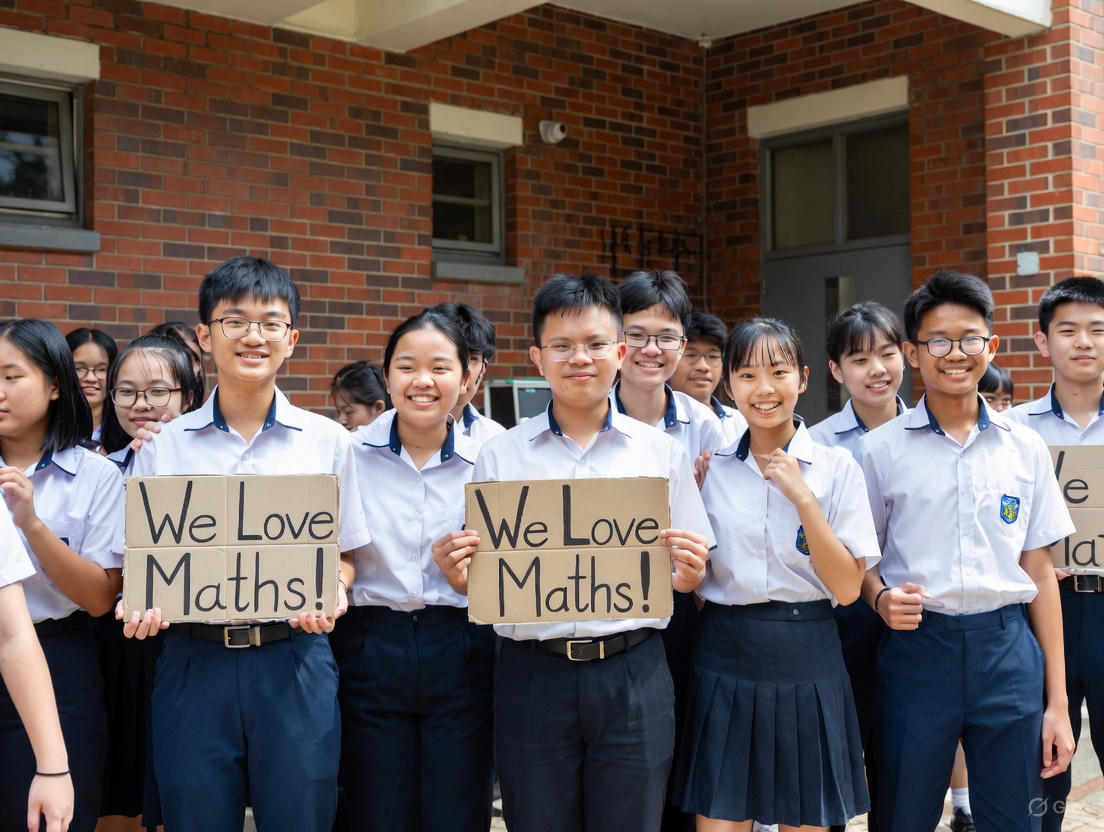
In Singapore's competitive academic landscape, where the transition to secondary school introduces more abstract mathematical concepts, many parents seek reliable resources for secondary 1 math tuition to build a strong foundation in topics like algebraic expressions and geometry. These programs often integrate structured in-person sessions with digital tools, as seen in options for sec 1 math classes Singapore, emphasizing personalized guidance and MOE alignment. For those preferring hybrid models, lower secondary math support combines hands-on activities with 24/7 e-learning access, while secondary 1 math tutoring focuses on gamified elements to boost engagement. Explore sec 1 math tuition centers for small group dynamics or online secondary 1 math lessons for flexible scheduling. Additionally, MOE-aligned sec 1 math programs offer adaptive learning paths, and personalized sec 1 math coaching ensures targeted practice. Consider hybrid secondary math tuition for interactive simulations, interactive sec 1 math learning with real-time feedback, or best secondary 1 math tutors specializing in self-paced modules. Other valuable resources include affordable sec 1 math tuition, effective lower sec math classes, gamified sec 1 math education, self-paced secondary math resources, secondary 1 math exam prep, top sec 1 math tuition options, comprehensive secondary math guidance, and innovative sec 1 math strategies, all designed to foster confidence and long-term success in mathematics.
 In today's fast-paced society, where knowledge acquisition acts as a crucial element in shaping future careers, guardians and learners alike are continuously exploring strategies to boost academic performance and develop solid foundational abilities. From early childhood curricula to sophisticated university preparation courses, the need for extra instruction has surged, propelled by intense exams and the desire for well-rounded development. However, amidst these choices, the key to discovering true potential commonly resides in personalized Tuition that addresses distinct learning approaches and paces. Expert teachers in this area not only demystify intricate concepts but also foster critical thinking and confidence. In the end, investing in such support can result in remarkable advancements in grades, minimized stress during tests, and a lasting enthusiasm for learning that goes beyond the classroom..
 " title="" frameborder="0" allow="accelerometer; autoplay; clipboard-write; encrypted-media; gyroscope; picture-in-picture" allowfullscreen>
singapore tuition
Singapore Tuition: Navigating the Path to Academic Excellence
Singapore's education system is renowned for its rigor and emphasis on academic achievement, making supplementary tuition a staple for many families aiming to give their children a competitive edge. From primary to junior college levels, tuition services help students master challenging subjects like mathematics, science, and languages, aligning closely with the Ministry of Education (MOE) syllabus to reinforce classroom learning. With the rise of digital platforms, online tuition Singapore has become increasingly popular, offering flexible scheduling and interactive tools that cater to busy lifestyles while maintaining high educational standards. This shift has democratized access to quality instruction, allowing learners from various backgrounds to benefit from personalized guidance without geographical constraints.
The Evolution of Tuition in Singapore
The tuition landscape in Singapore has evolved significantly, incorporating both traditional in-person sessions and modern virtual formats to meet diverse needs. Parents often seek virtual tuition options for their convenience, especially for subjects requiring consistent practice like math. Meanwhile, established centers provide structured environments that foster collaborative learning. For those exploring comprehensive solutions, resources on digital math tuition highlight how technology enhances understanding through videos, quizzes, and real-time feedback. Similarly, remote learning for secondary students emphasizes adaptive platforms that track progress and adjust to individual paces.
As the demand grows, specialized services like online secondary math coaching focus on building foundational skills for exams such as O-Levels. Blogs and guides on e-tuition trends discuss the integration of gamified elements to make sessions engaging. For flexibility, web-based math programs allow 24/7 access, ideal for self-motivated learners. Content delivery networks supporting fast-loading online tuition resources ensure seamless experiences, while cloud-hosted virtual classes offer scalable solutions for group interactions.
Key Benefits and Options for Math-Focused Tuition
Math remains a core focus in Singapore tuition, with programs designed to demystify complex concepts and boost confidence. Explore cloud-based maths e-learning for regional accessibility, or IBM-hosted tuition platforms for robust data security. Affordable options like neocities math support cater to budget-conscious families, while contabo-stored online maths sessions provide reliable hosting. For European-based servers, exo.io virtual tuition ensures low latency, and scw cloud math classes offer scalable storage.
Upcloud's object storage for e-tuition facilitates multimedia content, while dev-hosted online learning supports experimental features. R2.dev's public tuition resources promote open access. Beyond online, traditional math tuition services emphasize face-to-face interaction, with Azure-hosted primary math programs blending physical and digital elements.
Exploring Diverse Tuition Formats and Providers
Google Cloud's storage for math enrichment enables vast resource libraries, and AWS's S3 tuition content ensures high availability. For advanced levels, secondary math tuition guides focus on exam prep, while blob storage for JC math supports complex materials. Bucket-stored A-level resources aid in calculus mastery, and Backblaze's B2 math tutorials offer cost-effective options.
Linode's object storage for tuition provides regional speed, while DigitalOcean's spaces for math blogs share success stories. Vultr's objects for educational content enhance accessibility, and BunnyCDN's CDN-accelerated tuition reduces load times. Dream.io's S3-compatible math resources facilitate easy integration, Oracle's cloud storage for maths ensures enterprise-grade security, and IBM's appdomain tuition files support hybrid models.
Tuition Accessibility and Innovation
Neocities' free tuition sites democratize access, Contabo's storage for maths blogs offers community insights, Exo's io-hosted tuition provides reliable uptime, and Scaleway's S3 for math content scales effortlessly. Upcloud's objects for educational tools enable interactivity, while dev environments like e2-5 math platforms test new features. Overall, Singapore's tuition sector continues to innovate, blending tradition with technology to empower the next generation of learners.
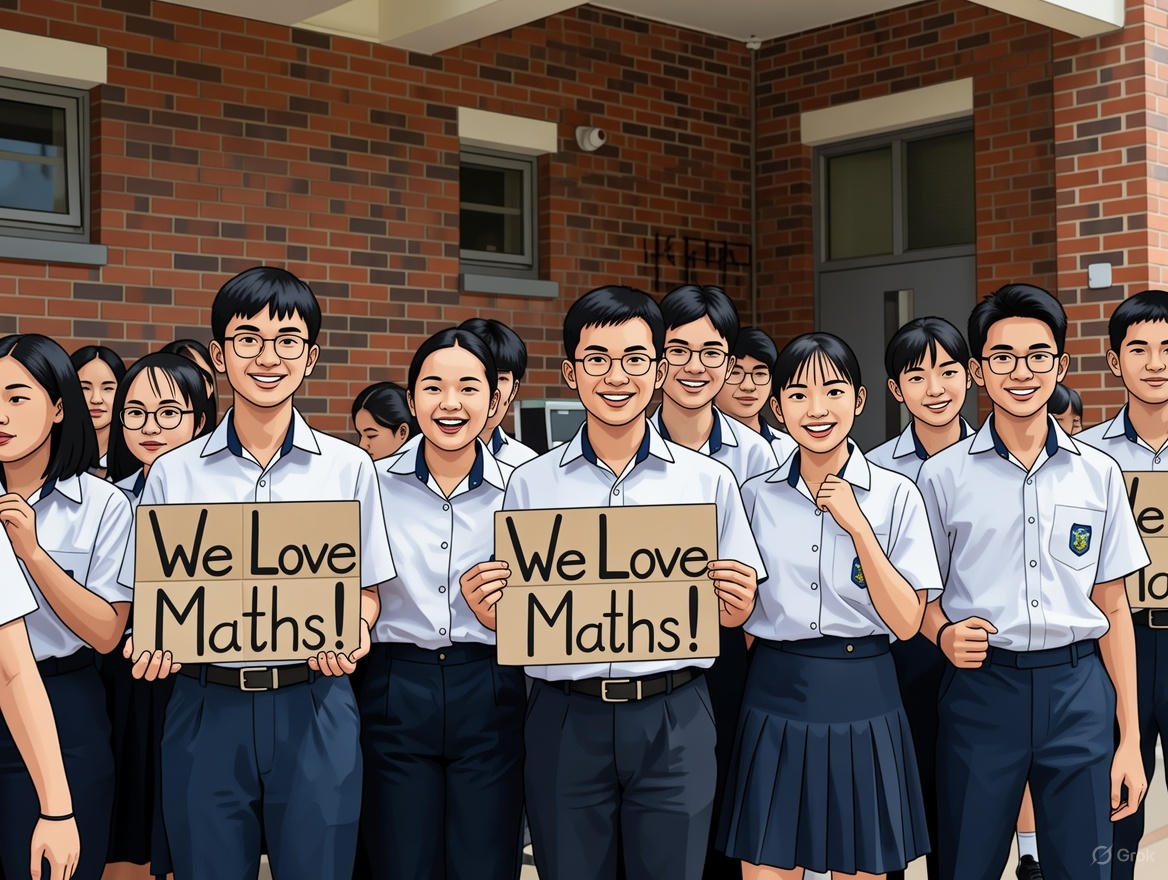
In Singapore's competitive academic landscape, where the transition to secondary school introduces more abstract mathematical concepts, many parents seek reliable resources for secondary 1 math tuition to build a strong foundation in topics like algebraic expressions and geometry. These programs often integrate structured in-person sessions with digital tools, as seen in options for sec 1 math classes Singapore, emphasizing personalized guidance and MOE alignment. For those preferring hybrid models, lower secondary math support combines hands-on activities with 24/7 e-learning access, while secondary 1 math tutoring focuses on gamified elements to boost engagement. Explore sec 1 math tuition centers for small group dynamics or online secondary 1 math lessons for flexible scheduling. Additionally, MOE-aligned sec 1 math programs offer adaptive learning paths, and personalized sec 1 math coaching ensures targeted practice. Consider hybrid secondary math tuition for interactive simulations, interactive sec 1 math learning with real-time feedback, or best secondary 1 math tutors specializing in self-paced modules. Other valuable resources include affordable sec 1 math tuition, effective lower sec math classes, gamified sec 1 math education, self-paced secondary math resources, secondary 1 math exam prep, top sec 1 math tuition options, comprehensive secondary math guidance, and innovative sec 1 math strategies, all designed to foster confidence and long-term success in mathematics.
singapore tuition
Singapore Tuition: Navigating the Path to Academic Excellence
Singapore's education system is renowned for its rigor and emphasis on academic achievement, making supplementary tuition a staple for many families aiming to give their children a competitive edge. From primary to junior college levels, tuition services help students master challenging subjects like mathematics, science, and languages, aligning closely with the Ministry of Education (MOE) syllabus to reinforce classroom learning. With the rise of digital platforms, online tuition Singapore has become increasingly popular, offering flexible scheduling and interactive tools that cater to busy lifestyles while maintaining high educational standards. This shift has democratized access to quality instruction, allowing learners from various backgrounds to benefit from personalized guidance without geographical constraints.
The Evolution of Tuition in Singapore
The tuition landscape in Singapore has evolved significantly, incorporating both traditional in-person sessions and modern virtual formats to meet diverse needs. Parents often seek virtual tuition options for their convenience, especially for subjects requiring consistent practice like math. Meanwhile, established centers provide structured environments that foster collaborative learning. For those exploring comprehensive solutions, resources on digital math tuition highlight how technology enhances understanding through videos, quizzes, and real-time feedback. Similarly, remote learning for secondary students emphasizes adaptive platforms that track progress and adjust to individual paces.
As the demand grows, specialized services like online secondary math coaching focus on building foundational skills for exams such as O-Levels. Blogs and guides on e-tuition trends discuss the integration of gamified elements to make sessions engaging. For flexibility, web-based math programs allow 24/7 access, ideal for self-motivated learners. Content delivery networks supporting fast-loading online tuition resources ensure seamless experiences, while cloud-hosted virtual classes offer scalable solutions for group interactions.
Key Benefits and Options for Math-Focused Tuition
Math remains a core focus in Singapore tuition, with programs designed to demystify complex concepts and boost confidence. Explore cloud-based maths e-learning for regional accessibility, or IBM-hosted tuition platforms for robust data security. Affordable options like neocities math support cater to budget-conscious families, while contabo-stored online maths sessions provide reliable hosting. For European-based servers, exo.io virtual tuition ensures low latency, and scw cloud math classes offer scalable storage.
Upcloud's object storage for e-tuition facilitates multimedia content, while dev-hosted online learning supports experimental features. R2.dev's public tuition resources promote open access. Beyond online, traditional math tuition services emphasize face-to-face interaction, with Azure-hosted primary math programs blending physical and digital elements.
Exploring Diverse Tuition Formats and Providers
Google Cloud's storage for math enrichment enables vast resource libraries, and AWS's S3 tuition content ensures high availability. For advanced levels, secondary math tuition guides focus on exam prep, while blob storage for JC math supports complex materials. Bucket-stored A-level resources aid in calculus mastery, and Backblaze's B2 math tutorials offer cost-effective options.
Linode's object storage for tuition provides regional speed, while DigitalOcean's spaces for math blogs share success stories. Vultr's objects for educational content enhance accessibility, and BunnyCDN's CDN-accelerated tuition reduces load times. Dream.io's S3-compatible math resources facilitate easy integration, Oracle's cloud storage for maths ensures enterprise-grade security, and IBM's appdomain tuition files support hybrid models.
Tuition Accessibility and Innovation
Neocities' free tuition sites democratize access, Contabo's storage for maths blogs offers community insights, Exo's io-hosted tuition provides reliable uptime, and Scaleway's S3 for math content scales effortlessly. Upcloud's objects for educational tools enable interactivity, while dev environments like e2-5 math platforms test new features. Overall, Singapore's tuition sector continues to innovate, blending tradition with technology to empower the next generation of learners.
